
Aluminium laser cutting is a widely used technique in modern metal fabrication. It uses a concentrated laser beam to shape aluminium with a high degree of precision and control.
This process is valued for its ability to produce clean edges and consistent results across a wide range of applications. Whether for a small custom laser project or large-scale production, the method supports both detail and efficiency.
Compared to traditional cutting methods, laser cutting provides a more controlled approach to shaping metal while minimising unnecessary waste.
How Laser Cutting Works With Aluminium
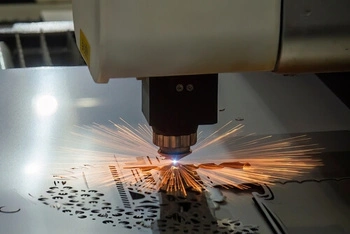
A laser cutter directs a concentrated beam of light onto the surface of the material. The heat produced by the laser melts or vaporises the aluminium, enabling the machine to pass through the material.
In aluminium laser cutting, fibre laser systems are commonly used. These systems are well-suited to reflective materials like aluminium and can achieve precise results with high speed.
The process is guided by digital designs, which allow the machine to follow exact shapes and patterns. This is particularly helpful when working with intricate or complex designs that would be difficult to achieve manually.
Why Aluminium Is Suitable For Laser Processing
Aluminium is a lightweight yet strong material. It is commonly used across the metal fabrication industry due to its durability and versatility.
It also responds well to laser processing when handled with the right equipment. The laser can cut aluminium into different shapes while maintaining accuracy and a smooth surface finish.
This makes aluminium suitable for a wide range of fabrication needs, from simple parts to more detailed components.
Benefits Of Using A Laser Cutting Service
Working with a professional laser cutting service can provide several practical advantages.
High Precision And Accuracy
Laser cutting allows for tight tolerances and highly accurate cuts. This is important when parts must fit together or meet specific requirements.
Clean Edges And Surface Finish
The process produces clean edges with minimal roughness. This often reduces the need for additional finishing work.
Consistent Results Across Production
Whether you need one piece or many, the laser ensures consistent results across every job. This supports both small projects and large-scale production.
Efficient Use Of Materials
Laser cutting helps reduce waste by optimising how materials are used. This can improve overall efficiency and help manage costs.
Types Of Materials That Can Be Cut

While aluminium laser cutting is a key focus, many laser cutting services can work with a wide range of materials.
These may include:
- Mild steel and other types of steel
- Brass for decorative or functional parts
- Plastics such as acrylic
- Wood for design or display applications
Each material reacts differently to heat and light, so the technique is adjusted to suit the properties of the material being processed.
The Role Of Fibre Laser Technology
Fibre laser technology has become a standard in modern metal laser systems. It offers improved speed, accuracy, and energy efficiency compared to older systems.
In aluminium laser cutting, fibre laser machines help achieve precise cuts while reducing the impact of heat on the surrounding surface.
This technology supports high-quality results and enables businesses to work within tight timelines without reducing quality.
Supporting Fabrication Processes
Laser cutting is often one step within a broader metal fabrication process.
After cutting, parts may go through additional steps such as:
- Bending to achieve the required shape
- Welding to join components
- Coating to protect the surface from wear
These processes work together to create finished products that meet both functional and visual requirements.
Applications Across Industries
Aluminium laser cutting is used across many sectors within the metal fabrication industry.
It is commonly applied in projects that require:
- Precise components for machinery or equipment
- Decorative panels with intricate designs
- Custom parts for business or industrial use
The ability to create complex shapes with accuracy makes it suitable for both practical and creative applications.
Managing Lead Times And Production Needs
Lead times may differ based on the size and complexity of the project. For smaller jobs, production may be completed quickly due to the speed of modern laser machines.
For larger production runs, planning and coordination are important. A skilled team will organise the workflow to maintain efficiency while meeting deadlines.
Clear communication about your project helps ensure that timelines and expectations are aligned.
Balancing Quality And Budget
Cost is an important factor in any fabrication project. Aluminium laser cutting can offer a balance between quality and budget when planned carefully.
Factors that influence cost may include:
- Material type and thickness
- Complexity of the design
- Production volume
By working with a reliable service, you can find solutions that meet your needs without unnecessary expense.
The Importance Of Design And Planning
A well-prepared design is essential for successful laser cutting. Digital files guide the machine and determine how the final product will look.
Good planning helps ensure that the design can be produced efficiently. It also reduces the risk of errors during processing.
When working with a custom laser project, it is helpful to consider both function and appearance from the start.
Safety And Surface Protection
During laser cutting, heat is applied directly to the material. Proper systems are used to manage this heat and protect the surrounding surface.
Protective coatings or treatments may be applied after cutting to improve durability and reduce wear over time.
These steps help maintain the quality and lifespan of the finished product.
Laser Engraving And Additional Capabilities
In addition to cutting, many systems also support laser engraving. This process allows markings or patterns to be added to the surface of the material.
Laser engraving can be used for identification, branding, or decorative purposes. It works well on aluminium as well as other materials like wood and acrylic.
Combining cutting and engraving in one process can improve efficiency and create more detailed results.
Final Thoughts On Aluminium Laser Cutting
Aluminium laser cutting offers a reliable and precise method for shaping metal. It combines advanced technology with practical advantages, making it a useful tool in the metal fabrication industry.
From simple shapes to intricate designs, the process supports a wide range of applications. With the right planning and support, it can help achieve accurate, high-quality results while maintaining efficiency and control over cost.
As technology continues to develop, laser cutting remains a relevant solution for modern fabrication needs.
If you’re planning an aluminium laser cutting project or need more precise, consistent results, you can speak with us at Star Sheetmetal or call (03) 9000 0280 or 0433 217 574.
Resources
“Stanford Product Realization Lab (n.d.). ‘Design for Laser Cutting’. Stanford University. Stanford, CA: Stanford University. https://making.stanford.edu/resources/process-guides/laser-cutting/design-laser-cutting”
“(n.d.). ‘Fiber Laser System Designed for Sheet Metal Cutting’. The Fabricator, 22 February 2012. Elgin, IL: FMA Communications. https://www.thefabricator.com/thefabricator/product/lasercutting/fiber-laser-system-designed-for-sheet-metal-cutting”
“Tillson, N. (n.d.). ‘Wood and Materials: Design and Construction Considerations’. Wood Designer, n.d. Australia: Wood Designer. https://wooddesigner.org/wood-and-materials-design-and-construction-considerations/”