
Understanding the basics of manufacturing processes can provide valuable insight when planning projects involving metalwork. One method commonly used across industries is welding. But what is spot welding, and why is it used in modern fabrication?
In this article, we will explore what spot welding is, the materials commonly spot-welded, and the critical factors influencing weld quality.
What Is Spot Welding?
Spot welding is a resistance welding process designed to join metal parts under pressure and with an electric current. This method relies on electrical resistance to generate heat, melting the material at precise points and creating a bond between the metal sheets.
The process is widely used across industries, from the automotive industry to metal furniture manufacturing, particularly in projects requiring mass production or high-volume manufacturing lines.
How Spot Welding Works
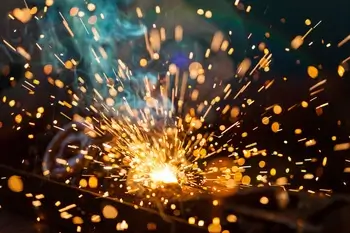
At its core, spot welding involves placing two or more metal sheets between copper alloy electrodes. When an electric current passes through the contact points of the metal, heat is generated due to the high electrical resistance at the interface between the materials. Simultaneously, the electrode force exerts pressure, ensuring that the molten metal solidifies correctly and forms a strong bond.
The welding process is highly controlled. Factors such as welding current, electrode force, metal thickness, and contact surface condition influence joint quality. Correct application ensures stable welding, while deviations can result in imperfect welds or premature electrode wear.
Electrode Materials and Maintenance
The choice of electrode materials is critical for achieving consistent results. Shaped alloy copper electrodes are commonly used, often containing additives like chromium or zirconium to increase wear resistance. The electrode tip surface must be carefully maintained, as contamination, such as oxidation or debris, can reduce weld quality.
A common maintenance technique involves using a cutter to remove contaminated material from the electrode, ensuring a clean copper surface for the next weld. This maintenance helps prolong electrode life and supports stable, high-quality welding over many cycles.
Commonly Spot-Welded Metals
Several metals are suitable for spot welding, though the resistance-welding process varies depending on thermal conductivity and melting temperature. Two of the frequently used materials are:
- Stainless Steel: Requires careful control due to higher electrical resistance.
- Aluminium: Known for lower thermal conductivity, necessitating slightly higher welding currents.
These metals are typically formed into sheet metal, allowing resistance welding to create multiple joints efficiently, making the technique suitable for different manufacturing lines.
Applying Pressure and Heat
The spot welding technique involves two main elements: pressure and electric current. The electrodes compress the sheet surfaces, ensuring intimate contact between the metal layers. Once compressed, welding current flows through the contacting copper alloy electrodes, generating welding heat exactly at the points where the metals touch.
This method allows molten metal to form a bond without melting the entire sheet, preserving the structural integrity of the surrounding material. The process is precise, and careful control of electrode force and electric current is crucial to achieving consistent welds.
Spot-Welding Copper and Other High-Conductivity Metals
While copper electrodes facilitate efficient resistance welding, joining copper or aluminium presents unique challenges due to high thermal conductivity and low electrical resistance compared to other metals. These metals dissipate heat quickly, meaning that the welding current must be optimised, and electrode materials typically require specific designs.
Aluminium spot welding and copper welding both require electrodes shaped to maintain surface contact and prevent rapid degradation. Using shaped alloy copper electrodes and ensuring a clean copper surface are essential steps to support consistent weld quality.
Electrode Force and Weld Quality
The electrode force applied during resistance welding ensures that the metal sheets remain properly in contact, allowing heat to be concentrated at the weld site. Insufficient force can result in low-quality welds, while excessive force can deform the sheet metal.
Proper control of pressure and heat ensures high-quality welding that meets the project’s functional and structural requirements.
Spot Welding Equipment
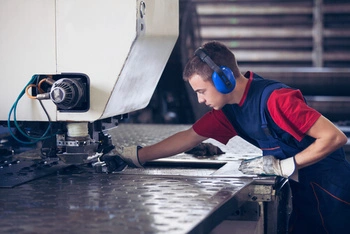
To perform spot welding effectively, modern equipment is required. The machinery generally consists of:
- Electrode holders and copper electrodes
- Transformer units to supply the correct electric current
- Force control systems to adjust electrode force
- (Optional) cooling systems to maintain electrode performance
Advanced systems allow operators to adjust parameters based on metal thickness, materials commonly spot-welded, and production speed, making resistance welding a versatile solution for various projects.
Comparing Spot Welding with Other Methods
Spot welding differs from techniques such as MIG welding. While MIG welding deposits filler material to join metals, spot welding relies solely on electrical resistance and pressure to create bonds at precise points without altering the bulk of the metal sheets.
For sheet-metal projects, resistance spot welding offers advantages in speed, repeatability, and suitability for high-volume manufacturing lines. In contrast, MIG welding may be better suited for thicker components or complex geometries.
Thermal Conductivity and Electrical Resistance Considerations
Understanding thermal conductivity and electrical resistance is essential when planning spot welding projects. Metals with high thermal conductivity, such as copper and aluminium, dissipate heat rapidly, which requires higher currents or longer welding times to achieve a resistance spot.
Conversely, metals with lower thermal conductivity and high electrical resistance, such as stainless steel, generate heat more efficiently at the weld interface. Knowledge of these properties helps select electrode materials suited to the job and predict the required welding current.
Common Welding Challenges
Several factors can influence the spot welding process, but understanding them helps ensure consistent, reliable results.
Electrode Tip Condition
The condition of the electrode tip surface is crucial for strong welds. Oxidation, debris, or wear can reduce weld quality. Regularly cleaning the electrodes or removing contaminants ensures a clean copper surface for each weld, supporting high-quality welding.
Metal Thickness Variations
Differences in sheet metal thickness affect the amount of heat generated during welding. Thicker metal may require longer welding times or higher currents, while thinner metal needs careful control to prevent damage.
Metals with Low Electrical Resistance
Some metals, such as aluminium and certain alloys, dissipate heat quickly due to their low electrical resistance. This means that slightly higher welding currents may be needed to generate sufficient welding heat and create a strong bond.
Premature Electrode Wear
Copper electrodes can degrade over time if not properly maintained. Excessive heat, repeated cycles, or poor electrode care can lead to premature electrode wear, potentially affecting weld quality.
By addressing these challenges proactively, your welding work can remain precise, consistent, and suitable for a wide range of materials and project types.
Process Optimisation
Getting the best results from resistance spot welding requires careful process optimisation. This involves several key considerations:
- Balancing Pressure and Electric Current: The right combination of electrode force and welding current ensures that molten metal forms a strong bond without damaging the surrounding sheet metal. Too little pressure or current can result in weak joints, while too much can deform the metal or wear the electrodes prematurely.
- Adjusting for Metal Thickness: Different metal thicknesses conduct and retain heat differently. Thicker sheets may need slightly higher current or longer welding cycles, while thinner sheets require precise control to avoid overheating. Understanding the thermal conductivity of the materials helps achieve consistent weld quality.
- Selecting Appropriate Electrode Materials: While copper electrodes are commonly used due to their high thermal conductivity and low electrical resistance, the exact alloy and shaped electrode tips must match the metals being joined. Using the right electrodes helps reduce premature electrode wear and maintains efficiency over repeated cycles.
- Consistent Monitoring: Continuous supervision of welding parameters ensures stable, reliable joints. Regular maintenance of electrodes and careful calibration of equipment support high-quality welding in both industrial and commercial projects.
By focusing on these optimisation strategies, your welding work can achieve reliable results across different metals and project scales, making spot welding a practical and precise solution for a wide range of applications.
Frequently Asked Questions
How is spot welding used in the automotive industry?
The automotive industry commonly uses resistance spot welding to assemble vehicle frames and components. By combining copper electrodes with controlled pressure and electric current, manufacturers can efficiently join sheet metal while preserving the structural integrity of the car body. This method also supports mass production, allowing consistent joints and optimised cycle times.
Why is spot welding suitable for high-volume manufacturing?
Spot welding offers efficiency and repeatability, making it ideal for projects that require multiple joints or large-scale sheet-metal assembly. The resistance welding process enables rapid cycles, which are especially useful on high-volume manufacturing lines that use low-carbon steel, stainless steel, or aluminium.
Can spot welding be used with materials other than steel and aluminium?
Yes. While steel and aluminium are common, resistance welding can also join nickel alloys, carbon steel grades, and other metals. This versatility enables applications ranging from metal furniture assembly to structural components in the automotive industry, making spot welding a flexible solution for diverse projects.
How is weld quality ensured?
Operators must monitor welding current, electrode force, and electrode tip surface to avoid defects. Regular maintenance of copper electrodes, ensuring a clean copper surface, and understanding the melting temperature of the metals involved all contribute to safe and effective resistance welding.
Conclusion
Understanding what spot welding is can help you plan and execute projects involving metal sheets effectively. By applying pressure and an electric current through copper-alloy electrodes, resistance welding creates reliable, precise joints for a wide range of materials.
Whether your project involves automotive components, metal furniture, or high-volume manufacturing, recognising the principles of weld quality, electrode maintenance, and material properties is essential to achieving successful outcomes.
Spot welding provides a practical, controlled method for joining metal pieces, allowing efficiency and precision in modern industrial applications.
If you have a project that involves joining metal sheets or requires expert advice on resistance spot welding, our team is here to help. We can guide you on welding techniques, suitable materials, and the right equipment to ensure your project runs smoothly.
Contact Star Sheet Metal at (03) 9000 0280 to discuss your requirements and explore how spot welding can efficiently meet your needs.
References
Lara, B., Giorjao, R., & Ramirez, A. (2022). Resistance Spot Welding of Printed Interlayers to Join Al–Fe Sheets. Science and Technology of Welding & Joining, 28(1), 18–26. https://doi.org/10.1080/13621718.2022.2108999
Snow, T. (2023, August 10). Resistance Spot Welding and What to Know About the Technology. The Welder. Retrieved November 19, 2025, from https://www.thefabricator.com/thewelder/article/assembly/resistance-spot-welding-and-what-to-know-about-the-technology
The Manufacturer. (2021, May 13). Different Types of Welding and What They Are Used For. The Manufacturer. Retrieved November 19, 2025, from https://www.themanufacturer.com/articles/different-types-of-welding-and-what-they-are-used-for/
UTI Editorial Team. (2025, July 24). Spot Welding: What Is It & How It Works. UTI Corporate. Retrieved November 19, 2025, from https://www.uti.edu/blog/welding/spot-welding