
Welding stainless steel is an essential process for many projects across different sectors. Understanding the unique properties of stainless steel, such as its corrosion resistance and mechanical strength, is crucial to achieving durable, reliable results.
Whether your project involves thin materials or structural components, knowing suitable welding techniques and proper preparation steps can significantly enhance the quality of the final product.
Understanding Stainless Steel and Its Applications
Stainless steel is a highly versatile metal widely recognised for its durability, corrosion resistance, and aesthetic appeal. Projects requiring longevity, structural integrity, or a polished finish often rely on stainless steel.
From architectural and construction applications to industrial and transportation projects, welding stainless steel is crucial for achieving reliable, visually appealing outcomes.
What Makes Stainless Steel Different from Carbon Steel
Stainless steel and carbon steel differ in composition, properties, and applications, which directly impacts how they are welded and used in projects.
1. Chromium Content and Corrosion Resistance
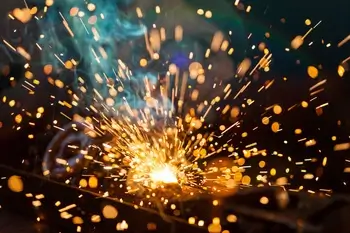
The primary distinction is the chromium content in stainless steel. Chromium forms a thin, protective oxide layer on the surface, giving stainless steel good corrosion resistance, unlike carbon or mild steel. This layer helps the metal withstand:
- Rust and oxidation
- Chemical exposure
- Environmental degradation, such as moisture and humidity
In contrast, carbon steel lacks this protective layer, making it more prone to rust and requiring additional coatings or treatments for long-term durability.
2. Mechanical Properties
Stainless steel alloys often have better mechanical properties compared with carbon steel, including:
- Higher tensile strength
- Improved ductility
- Better resistance to fatigue and stress corrosion
These properties make stainless steel well-suited for structural, architectural, and industrial applications where both strength and longevity are important.
3. Welding Considerations
The differences in composition affect how each metal behaves during welding:
- Stainless steel is more heat-sensitive and requires controlled heat input.
- Carbon steel is generally easier to weld but may require post-weld treatments.
4. Visual and Aesthetic Qualities
Stainless steel maintains a polished, clean appearance without additional coatings, making it a preferred choice for architectural and decorative applications. Carbon steel, while functional, usually needs protective finishes to maintain its appearance.
Understanding these distinctions helps you pick the appropriate metal for your project and determine the exact welding technique, filler material, and preparation process to achieve durable, reliable, and visually appealing results.
Key Considerations in Stainless Steel Welding
Before starting the welding process, it is important to consider the type of stainless steel being used. Austenitic stainless steels are commonly used in construction and industrial applications due to their high strength and corrosion resistance.
Low-carbon variants are preferred for welding projects to minimise welding-related risks.
The Welding Process Explained
Welding stainless steel requires more precision, preparation, and control than welding mild steel. It ensures a strong, durable, and visually appealing weld suitable for a range of projects.
The process can be understood in three main stages:
1. Creating the Weld Pool
The weld pool is the molten area where the base metal and filler material combine. Proper control of this pool is essential to:
- Achieve consistent penetration.
- Ensure smooth bead formation.
- Preserve the metal’s mechanical properties.
2. Preparing the Surface
Preparation is crucial for a successful weld. Key steps include:
- Cleaning the stainless steel surface using a stainless steel wire brush to remove oxides and contaminants.
- Ensuring the metal is free from grease, rust, or other residues.
- Aligning and designing the weld joint correctly to support structural integrity.
3. Selecting Materials and Controlling Heat
The choice of filler material and control of heat input are critical factors in achieving a quality weld:
- Match the material of the filler to the base metal to maintain corrosion resistance and mechanical strength.
- Adjust the welding speed and travel angle to achieve a smooth, uniform finished weld.
By carefully following these stages, welding stainless steel can produce strong, reliable, and clean results suitable for both structural and aesthetic applications.
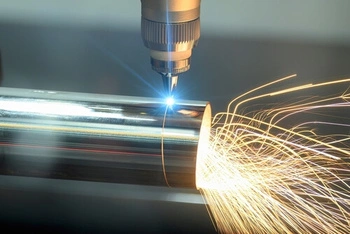
TIG Welding Stainless Steel
Gas tungsten arc welding, commonly known as TIG welding, is frequently used for stainless steel projects requiring precision and a clean finish.
TIG welding stainless steel provides a finished weld with minimal distortion, making it ideal for thin materials or intricate designs.
Equipment for TIG Welding
TIG welders utilise a tungsten electrode and a shielding gas, typically pure argon, to protect the weld pool. A filler rod may be used depending on the specific project requirements.
Controlling heat input, travel angle, and travel speed is crucial for producing a good weld and preventing warping.
Tips for TIG Welding
- Use the push technique to maintain a smooth weld pool.
- Ensure proper gas flow rate to prevent atmospheric contamination.
- Maintain low heat input to avoid compromising the stainless steel’s mechanical properties.
- Select the appropriate filler material to match the base metal.
MIG Welding Stainless Steel
MIG welding stainless steel is another popular technique, particularly for larger projects where speed and efficiency are priorities.
MIG welding stainless steel requires a MIG welding machine, shielding gas (often a mixture including carbon dioxide), and the correct wire feed speed.
Benefits of MIG Welding
MIG welding allows for consistent penetration and control over the weld joint. It is suitable for thicker stainless alloys and provides strong mechanical properties.
While MIG welding can be easier than TIG for some applications, it still requires attention to heat input and proper preparation.
Stick Welding Stainless Steel
Stick welding, also known as SMAW (Shielded Metal Arc Welding), is a versatile method commonly used for structural or outdoor applications requiring portability.
While less precise than TIG or MIG welding, stick welding delivers reliable, robust results on heavy-duty materials, making it a practical choice for certain project types.
Choosing the Right Electrode
The electrode plays a role in the quality and durability of a stick weld. Key considerations include:
- Electrode Composition: Welders should match or be compatible with the base metal to maintain corrosion resistance and mechanical properties.
- Electrode Diameter: Welders must also match the electrode diameter to the material thickness to ensure proper penetration and a consistent weld bead.
- Current Polarity: Welders use the correct setting to help achieve strong fusion and optimal weld strength.
Selecting the appropriate electrode, combined with careful control of the welding process, ensures that stick welding produces strong, durable, and corrosion-resistant welds suitable for both functional and structural applications.
Common Challenges in Welding Stainless Steel
Welding stainless steel presents several unique challenges that require careful attention to technique, equipment, and materials.
Understanding these challenges helps ensure strong, durable, and high-quality welds.
1. Sensitivity to Heat
Stainless steel has less thermal conductivity than carbon steel, which means it retains heat over a smaller area. This can cause:
- Warping or distortion if the heat input is too high.
- Compromised mechanical properties if the metal overheats.
Careful control of heat input, including travel speed and arc length, is essential to maintain the integrity of the base metal.
2. Atmospheric Contamination
Exposure to oxygen and nitrogen during welding can negatively affect the weld pool. This may result in:
- Oxidation
- Surface defects
- Reduced corrosion resistance
Using proper shielding gas, maintaining adequate flow rates, and ensuring a clean surface help prevent these issues.
3. Carbide Precipitation
Carbide precipitation occurs when stainless steel is heated excessively, particularly at the weld zone. This can lead to:
- Localised corrosion
- Weakening of the welded joint
Selecting low-carbon stainless alloys, controlling heat input, and using suitable filler materials are effective ways to minimise this risk.
By recognising these challenges and applying careful welding techniques, it is possible to achieve strong, corrosion-resistant, and aesthetically clean stainless steel welds suitable for a wide range of projects.
What If Less Heat Is Applied?
Achieving the correct heat input is an important aspect of welding stainless steel. Insufficient heat can compromise the quality and durability of the weld:
- Incomplete fusion between the base metal and filler material, resulting in a weak weld joint
- Poor penetration, which reduces the strength of structural or load-bearing components
- Rough or uneven weld appearance, affecting both aesthetics and long-term performance
By applying the right amount of heat, not too much, not too little, projects can achieve welds that are both strong and visually clean, preserving the corrosion resistance and mechanical properties of stainless steel.
Applications of Stainless Steel Welding Across Projects
Stainless steel welding plays a critical role in a wide range of projects, from architectural and industrial work to transportation and bespoke applications.
Understanding the specific requirements of each project type helps ensure the final weld is both functional and durable.
1. Architectural and Construction Projects
In architectural and construction settings, stainless steel welding is often used for:
- Structural elements such as frames and supports
- Railings, balustrades, and handrails
- Decorative features that require a clean, polished finish
Precision and a controlled welding process are essential to achieve welds that meet both structural requirements and visual standards.
2. Industrial Applications
Industrial projects demand welds that can withstand mechanical stress and environmental exposure. MIG and TIG welding techniques are commonly employed to ensure:
- High-strength joints
- Durability under heavy loads
- Consistency in both performance and appearance
Proper preparation and careful selection of filler materials and welding parameters are key to achieving these outcomes.
3. Transportation Projects
In transport-related applications, stainless steel welds are required for:
- Heavy-duty vehicles and machinery
- Precision components subject to wear and environmental factors
Durability and corrosion resistance are essential. Selecting the appropriate welding technique and equipment ensures long-term performance and reliability.
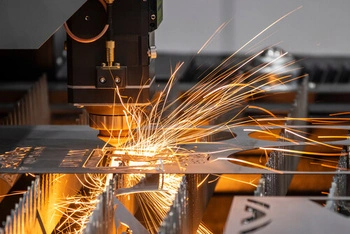
4. Bespoke and Miscellaneous Projects
Stainless steel welding is also used for miscellaneous projects where both aesthetics and mechanical properties matter.
Careful attention to surface preparation, filler material selection, and welding technique ensures that each project achieves strong, corrosion-resistant welds suitable for a variety of applications, from functional components to customised designs.
Frequently Asked Questions
How important is equipment maintenance?
Proper maintenance of TIG and MIG welders, including cleaning the gas lens and adjusting the wire feed control, ensures consistent weld quality and reduces defects.
Can stainless steel be welded to other metals?
Yes, but it requires careful selection of filler materials and welding techniques. Dissimilar metal welding may need advanced procedures to maintain corrosion resistance and mechanical strength at the joint.
How do travel angle and speed affect the weld?
Correct travel angle and speed ensure uniform bead formation, proper penetration, and reduced distortion. Adjusting these parameters based on material thickness and welding technique improves both strength and appearance.
What are common defects in stainless steel welding, and how can they be avoided?
Common defects include porosity, cracking, incomplete fusion, and warping. These can be minimised by controlling heat input, using the correct filler material, maintaining shielding gas coverage, and following proper surface preparation practices.
What is the difference between a filler rod and filler wire?
A filler rod is typically used in TIG welding, while filler wire is used in MIG welding. Both supply the additional material needed to form a strong weld, and their composition should match the base metal to ensure corrosion resistance and mechanical integrity.
What is the push technique in TIG welding?
The push technique involves moving the torch away from the weld pool. This provides better visibility, improves shielding gas coverage, and produces a smoother, cleaner weld, particularly on thin materials.
How do I choose the right welding technique for my project?
The choice depends on material thickness, project requirements, desired finish, and environmental factors. TIG is recommended for precision and clean appearance, MIG for speed and thicker metals, and stick welding for portability and heavy-duty applications.
Conclusion
Welding stainless steel requires careful attention to technique, equipment, and materials.
Whether for architectural, industrial, transportation, or multifaceted projects, understanding the properties of stainless steel, proper preparation, and the appropriate welding method ensures reliable, visually appealing results.
By controlling heat input, selecting suitable filler materials, and using proper welding techniques, projects achieve both structural integrity and corrosion resistance, resulting in finished welds that meet the demands of a variety of applications.
If your project requires precision, durability, and high-quality stainless steel welding, our team is here to help. Whether it’s architectural elements, industrial components, transport parts, or bespoke solutions, we can guide you through the welding techniques and materials suited to your specific needs.
Contact Star Sheetmetal at (03) 9000 0280 or 0433 217 574 to discuss your project requirements and discover how professional stainless steel welding can bring your ideas to life.
References
Benlamnouar, M. F., Bensaid, N., Saadi, T., & Badji, R. (2024). Multi-Objective Optimization and Evolution of Dissimilar Welding Process Between Cr-Mo Steel and Austenitic Stainless Steel for Power Plant Application. Materials Research Express, 11(2), 026507. https://doi.org/10.1088/2053-1591/ad28d2
Grill, J. (2024, January 22). What is GMAW (MIG Welding) & How Does it Work? Weld Guru. Retrieved December 16, 2025, from https://weldguru.com/mig-welding/
Mascalco, N., & Koltz, R. (2020, April 15). Consumables Corner: Heat Input and Discoloration in Stainless Steel Welding. The Welder. Retrieved December 16, 2025, from https://www.thefabricator.com/thewelder/article/consumables/consumables-corner-heat-input-and-discoloration-in-stainless-steel-welding
Mishra, D., & Dakkili, M. (2020). Gas Tungsten and Shielded Metal Arc Welding of Stainless Steel 310 and 304 Grades Over Single and Double ‘V’ Butt Joints. Materials Today Proceedings, 27, 772–776. https://doi.org/10.1016/j.matpr.2019.12.189
The Manufacturer. (2021, May 13). Different Types of Welding and What They Are Used For. The Manufacturer. Retrieved December 16, 2025, from https://www.themanufacturer.com/articles/different-types-of-welding-and-what-they-are-used-for/